We now offer x-ray appointments at our Phenix, Charlotte, Rideau Valley, Nepean, Kanata, and Hunt Club clinics. Please check location availability before visiting.
Request an Appointment
Top benefits of bone density screening for preventative health
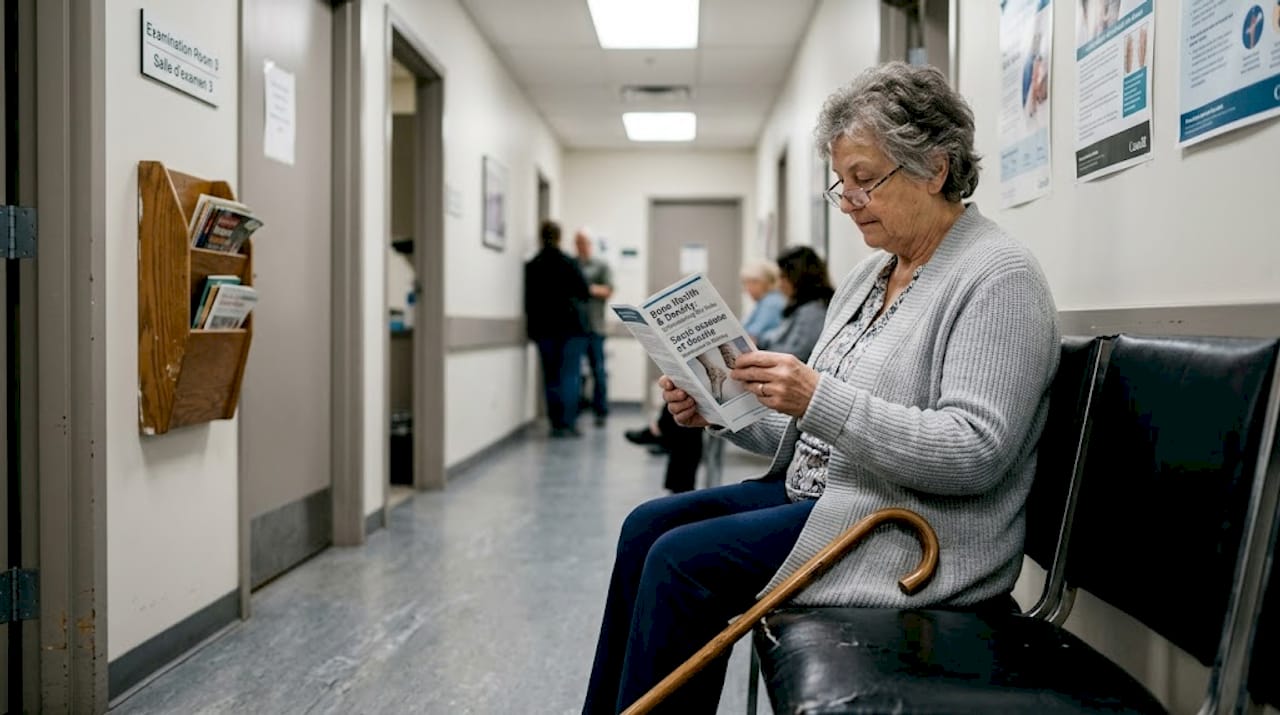
Bone loss is one of the most common health concerns that develops without any warning signs. You may feel perfectly fine while your bones are gradually losing density, and the first sign of a problem is often a fracture. Early detection through DXA enables timely interventions that can prevent fractures before they happen. For Ottawa residents, knowing your options and acting early can make a meaningful difference in your long-term bone health and quality of life.
Key Takeaways
| Point | Details |
|---|---|
| Detects silent bone loss | Bone density screening finds osteoporosis or osteopenia before symptoms or fractures occur. |
| Prevents fractures | Timely screening leads to effective interventions that lower your risk of future breaks. |
| Provides personalised care | Results enable healthcare providers to tailor prevention and treatment plans to your needs. |
| Improves local outcomes | Ottawa’s enhanced screening programs have raised testing rates and boosted preventative treatments. |
Why bone density screening matters
Osteoporosis is sometimes called a “silent disease” because it progresses without pain or obvious symptoms. By the time a fracture occurs, significant bone loss has already taken place. This is why screening matters so much. It gives you and your doctor a clear picture of where your bones stand before a crisis develops.
Understanding why bone health matters is the first step toward taking action. When bone density drops below a safe threshold, everyday activities like stepping off a curb or lifting groceries can lead to serious fractures, particularly in the hip, spine, and wrist.
Who should be screened? Current clinical guidelines are clear on this:
- Women aged 65 and older
- Postmenopausal women under 65 with additional risk factors
- Men aged 70 and older
- Anyone with a prior fragility fracture, low body weight, or long-term steroid use
Screening is recommended for women aged 65 and over, postmenopausal women under 65 with elevated risk, and men aged 70 or older, or those with risk factors such as prior fracture or low body weight.
Without screening, you simply cannot know whether your bones are at risk. And without that knowledge, prevention becomes guesswork. Early detection puts you in control.
How DXA scans work and what they measure
Understanding why you should get screened, it helps to know how the test works and what the results reveal about your bones. A DXA scan (Dual-energy X-ray Absorptiometry) is the most widely used and clinically validated method for measuring bone mineral density (BMD). It is quick, painless, and uses very low doses of radiation.
Here is what happens during a typical DXA scan:
- You lie fully clothed on a padded table while a scanner arm passes over your body.
- The scanner focuses on key areas, most commonly the hip, lumbar spine, and forearm.
- Low-dose X-rays measure how much mineral is present in your bone tissue.
- A radiologist analyses the data and generates a report with your T-score results.
Your T-score compares your bone density to that of a healthy young adult. Here is how results are interpreted:
| T-score range | Classification | What it means |
|---|---|---|
| At or above -1.0 | Normal | Bone density is healthy |
| Between -1.0 and -2.5 | Osteopenia | Below-average density; monitor closely |
| At or below -2.5 | Osteoporosis | Significant bone loss; treatment recommended |
DXA is the gold standard for measuring BMD at the hip, spine, and forearm, reporting T-scores that classify results as normal, osteopenia, or osteoporosis. Knowing more about what is a DXA scan can help you feel more confident going into your appointment. You can also learn more about the bone density scan process so you know exactly what to expect.
Pro Tip: Wear comfortable, loose-fitting clothing with no metal zippers or buttons on the day of your DXA scan. This makes the process faster and more comfortable for you.
Top benefits of bone density screening
Armed with an understanding of the scan itself, here are the proven benefits you will receive by getting screened.
Early detection before fractures occur. The most significant benefit is catching bone loss at a stage when it can still be addressed. DXA screening enables early detection of osteoporosis and osteopenia, allowing for timely interventions that prevent fractures from happening in the first place.
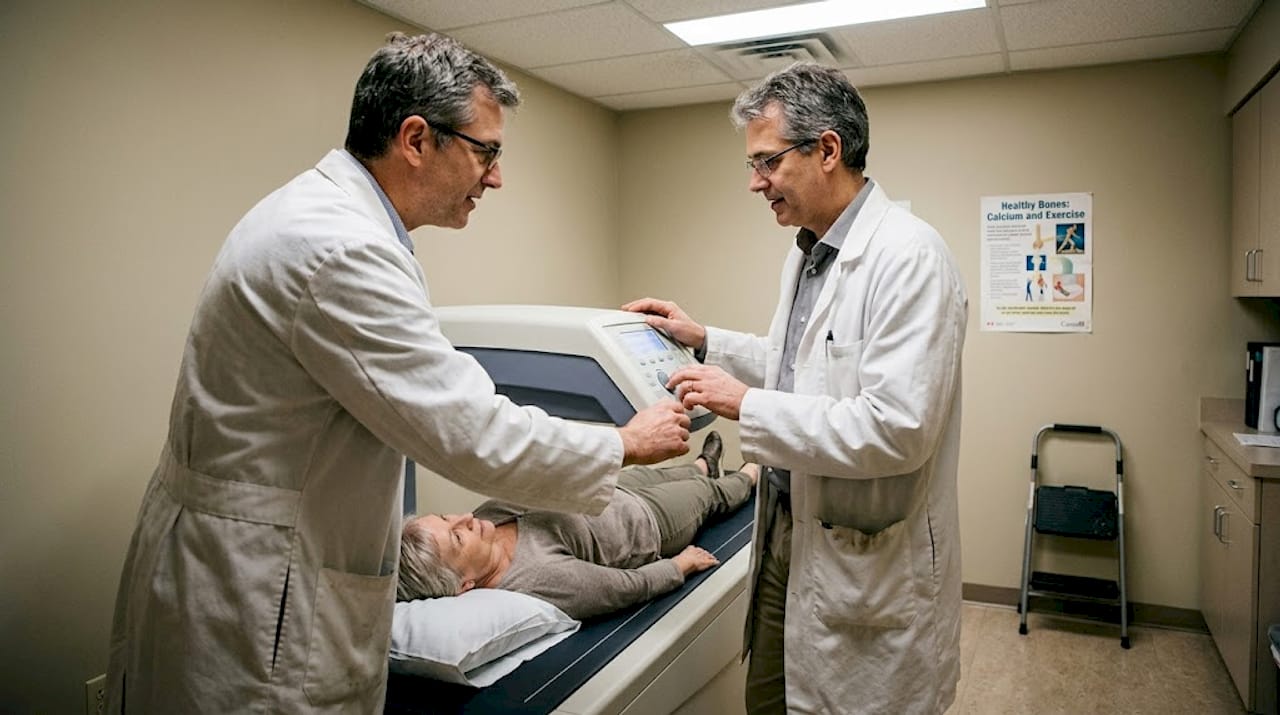
Personalised prevention plans. Once you have your results, your doctor can create a plan specifically for you. This might include calcium and vitamin D supplementation, targeted exercise programmes, dietary changes, or prescription medications. Screening benefits outweigh risks for recommended groups, enabling personalised prevention through exercise, calcium and vitamin D, and medications that reduce fracture risk. There is no one-size-fits-all approach, and your T-score helps guide the right decisions.
Detection of osteopenia before it progresses. Osteopenia is the stage before osteoporosis. Many people do not realise they have it. Catching it early gives you a window to reverse or slow the progression through lifestyle changes, often without the need for medication at all.
More accurate fracture risk assessment. Your T-score is a strong predictor of fracture risk, particularly for hip fractures. Understanding bone density and fracture risk allows your healthcare team to intervene proactively rather than reactively. This is especially important for older adults living independently.
Key benefits at a glance:
- Identifies bone loss before symptoms appear
- Guides targeted, evidence-based treatment decisions
- Reduces long-term healthcare costs associated with fracture treatment
- Supports ongoing monitoring of treatment effectiveness
- Provides peace of mind through clear, actionable results
Pro Tip: If you are already taking osteoporosis medication, follow-up DXA scans every one to two years can confirm whether your treatment is working effectively.
Limitations and practical considerations
While the upsides are many, it is just as important to acknowledge what DXA screening can and cannot do. Being informed helps you set realistic expectations and make better decisions alongside your doctor.
DXA measures the quantity of bone mineral, but it does not capture bone quality or the microscopic structure of bone tissue. This distinction matters because two people with the same T-score can have very different fracture risks depending on other factors.
| Limitation | What it means for you |
|---|---|
| Does not measure bone microarchitecture | Misses some structural fragility |
| Less accurate in obesity or spinal degeneration | Results may need clinical adjustment |
| Areal BMD, not volumetric | Can overestimate density in smaller individuals |
| Affected by positioning and artifacts | Requires careful technique and quality control |
There is also an important statistic worth knowing: over 75% of fragility fractures occur in people whose BMD does not meet the clinical threshold for osteoporosis. This means DXA alone does not capture the full picture. Tools like FRAX (Fracture Risk Assessment Tool) and TBS (Trabecular Bone Score) are often used alongside DXA to improve accuracy.
DXA precision at the lumbar spine is approximately 1.9% coefficient of variation, and at the hip between 1.8% and 2.5%, which is why quality control and proper technique are essential for reliable results.
Additional considerations include:
- Secondary osteoporosis caused by other medical conditions may require further investigation beyond DXA
- Spinal degeneration in older adults can falsely elevate lumbar spine readings
- Exploring DXA limitations and alternatives can help you understand when additional testing may be appropriate
- Comparing imaging technology options may also be useful when discussing your diagnostic pathway with your physician
Ottawa’s initiatives and local screening impact
With national recommendations in mind, how do Ottawa’s local efforts stand up and benefit you directly?
Ontario has made meaningful progress in improving bone density screening rates, particularly following fractures. Local programmes have helped more patients receive timely diagnosis and treatment, which directly reduces the risk of a second fracture.
In Ontario, screening programmes increased BMD testing from 17% to 21% following a fracture, leading to improved treatment initiation rates across the province.
This improvement reflects the real-world impact of organised, systematic screening efforts. When more people are tested after an initial fracture, more receive appropriate treatment, and the cycle of repeated fractures is interrupted.
For Ottawa residents, this means:
- More access to post-fracture screening through local fracture clinics
- Improved coordination between orthopaedic care and osteoporosis management
- Greater awareness among family physicians about screening thresholds
- Expanded access through programmes like the Ontario Bone Screening Programme
The progress seen in Ontario demonstrates that organised screening programmes save both bones and lives. When you take advantage of local resources, you are benefiting from years of system-level improvements designed to catch bone disease earlier and treat it more effectively.
Why routine screening is just the start: a deeper look
At CDN, we believe a T-score is a starting point, not a final answer. Many patients feel reassured by a normal result and do not revisit their bone health until years later. But bone health is dynamic. It changes with age, hormonal shifts, medication use, and lifestyle factors.
Expert guidance increasingly favours integrating clinical risk factors and tools like FRAX over relying on BMD alone, precisely because DXA does not capture the full complexity of fracture risk. A person with a borderline T-score and multiple clinical risk factors may need more urgent intervention than someone with a lower T-score and no other concerns.
True preventative bone health means regular re-assessment, honest conversations with your doctor, and a personalised plan that evolves over time. Exploring options beyond basic screenings can help you build a more complete picture of your overall health.
Get screened: your next steps toward healthier bones
Ready to protect your bone health? Taking the first step is simpler than you might think. At Canadian Diagnostic Network, we offer bone density testing across more than 20 Ottawa clinic locations, with results typically available within 24 to 48 hours. Our experienced radiologists and technologists are here to support you through every step of the process. Visit our urgent care imaging location for prompt access, or book at Broadview Imaging Ottawa for a convenient appointment near you.
Frequently asked questions
Who should get a bone density screening in Ottawa?
Women over 65, men over 70, and anyone with risk factors like prior fractures, low body weight, or long-term steroid use are recommended for screening. Your family physician can help determine whether you qualify based on your personal health history.
Does a bone density screening hurt?
DXA scans use low-dose X-rays and are completely painless, requiring you to simply lie still for a few minutes while the scanner passes over your body. Most people find the experience quick and straightforward.
How often should testing be repeated?
Most people with normal results need retesting every two to five years, while high-risk individuals or those on treatment may need annual follow-up scans. Your doctor will recommend a schedule based on your T-score and overall risk profile.
Can bone density screening predict all fractures?
No. Over 75% of fragility fractures occur in people without an osteoporosis diagnosis, so DXA results should always be interpreted alongside clinical risk tools like FRAX for a more complete assessment.
Are bone density screenings covered by OHIP in Ottawa?
In Ontario, initial DXA scans for qualifying individuals are generally covered by OHIP, particularly for those who meet age or risk-based criteria. It is always a good idea to confirm eligibility with your healthcare provider before booking.
Your examination or doctor’s visit is 4 easy steps away