We now offer x-ray appointments at our Phenix, Charlotte, Rideau Valley, Nepean, Kanata, and Hunt Club clinics. Please check location availability before visiting.

Request an Appointment
What is health screening? Your guide to early detection
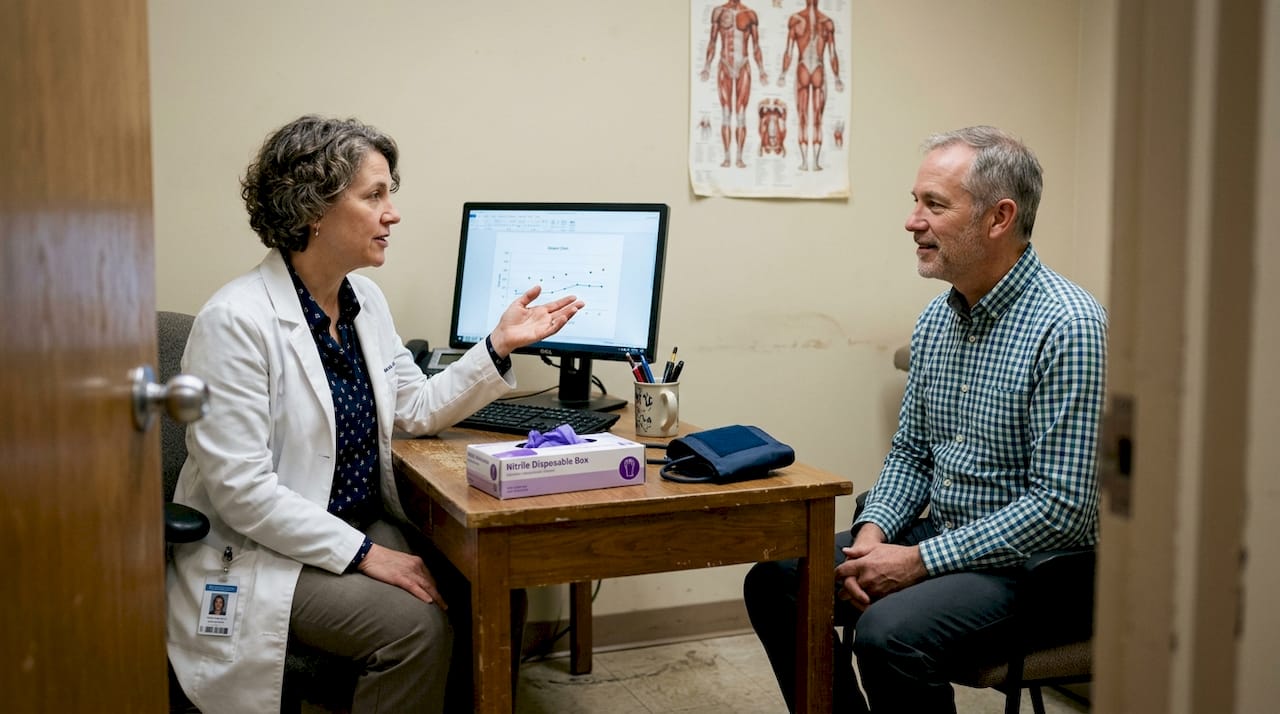
Most people assume they only need medical tests when something feels wrong. That assumption can be costly. Many serious conditions, including breast cancer, diabetes, and heart disease, develop silently for years before symptoms appear. Health screening is the use of tests or examinations on people without symptoms to detect early signs of disease, prevent progression, or enable earlier treatment for better outcomes. For Ottawa-area residents, access to organized screening programs means you have real, practical tools to stay ahead of your health. This guide breaks down what screening is, who needs it, and how to access it locally.
Key Takeaways
| Point | Details |
|---|---|
| Start screening early | Getting tested before symptoms arise can help catch diseases when treatment is most effective. |
| Follow local guidelines | Ottawa residents should use programs like OBSP to follow age and risk-appropriate screening recommendations. |
| Balance benefits and risks | Screening brings real advantages but may cause false positives, so make informed decisions with your provider. |
| Access support easily | Screening programs in Ottawa are designed for easy access, even without a regular doctor. |
What is health screening and why does it matter?
Health screening is not the same as a diagnostic test. When you visit a doctor because something hurts or feels off, that is diagnosis. Screening is different. It looks for early signs of disease in people who feel completely fine. The goal is simple: find problems early, when treatment is most effective.
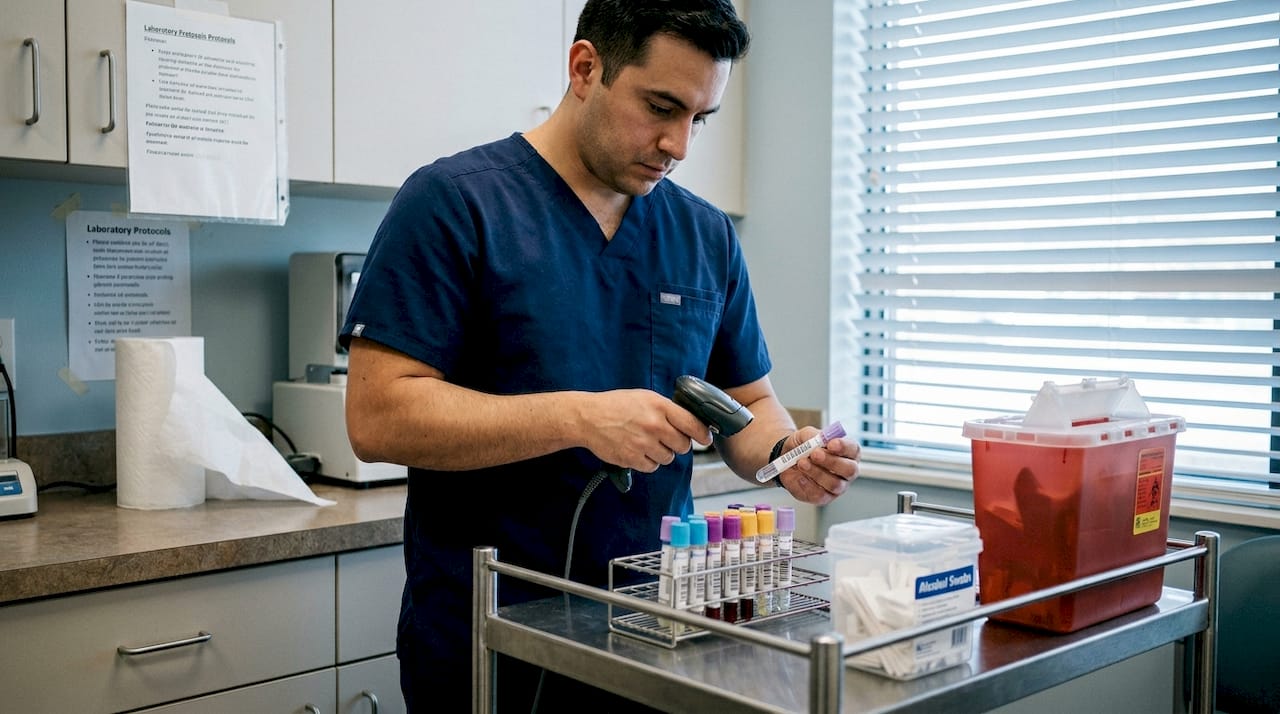
Understanding this distinction matters because it changes how you think about your own healthcare. You do not need to feel sick to benefit from screening. In fact, waiting until symptoms appear often means a condition has already progressed.
Screening programs are built around a core principle: the benefits must outweigh harms like false positives and overdiagnosis. Not every test is right for every person, and responsible screening programs carefully weigh these factors before recommending a test to a population.
Here is what health screening is designed to do:
- Detect disease early, before symptoms develop
- Reduce the risk of serious complications through earlier treatment
- Identify risk factors that can be managed or reversed
- Provide reassurance when results are normal
- Guide follow-up care when further testing is needed
It is also important to understand what screening does not do. A positive screening result is not a diagnosis. It simply means more testing is needed to confirm or rule out a condition. This is why follow-up care and clear communication from your provider matter so much.
Screening is a starting point, not a final answer. A positive result opens a door to further investigation, not a verdict.
For Ottawa residents, this is especially relevant. Whether you are navigating immigration medical exams or routine preventive care, understanding what each test is designed to find helps you make confident, informed decisions about your health.
Types of health screening tests available
Now that you know health screening’s purpose, let’s explore the options available to you. Screening tests fall into three main categories: lab tests, imaging, and specialized programs. Each serves a different purpose and targets different conditions.
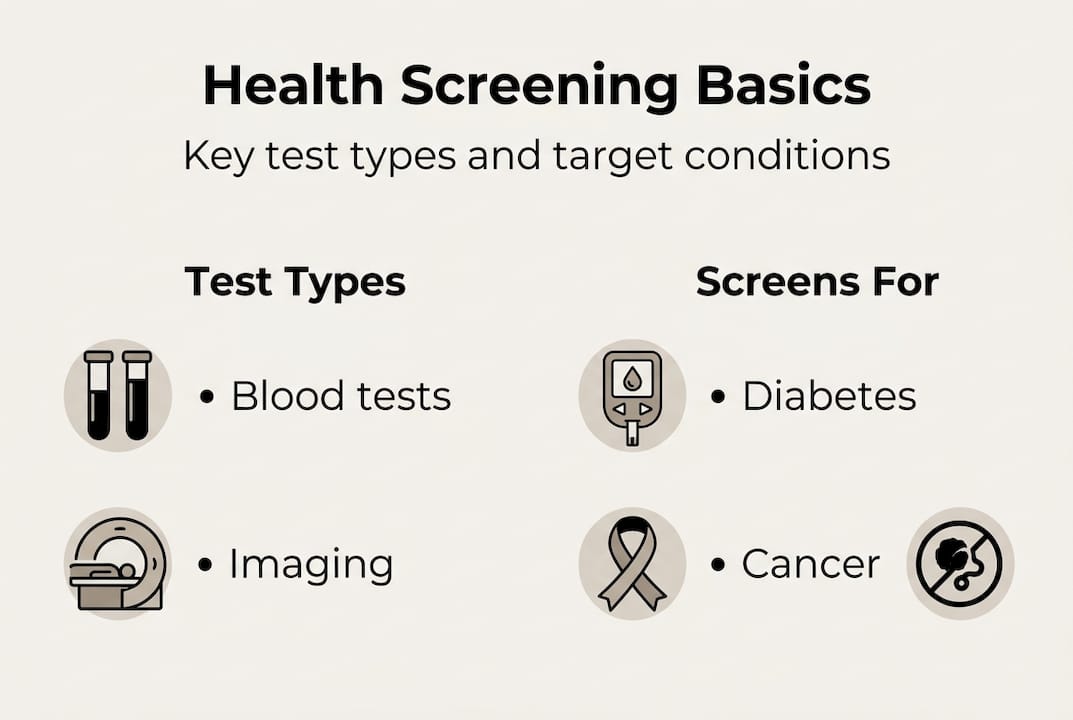
| Category | Common tests | What it screens for |
|---|---|---|
| Lab tests | Blood glucose (A1C), cholesterol panel | Diabetes, heart disease |
| Imaging | Mammogram, ultrasound, X-ray | Breast cancer, organ abnormalities |
| Specialized | HPV test, BRCA genetic screen, blood pressure | Cervical cancer, hereditary cancer risk, hypertension |
Key screening methodologies include blood tests such as A1C for diabetes, imaging like mammograms for breast cancer, and HPV testing for cervical cancer. Each test targets a specific condition and is recommended based on your age, sex, and personal risk factors.
Here is a practical overview of when to consider common screenings:
- Blood glucose (A1C): Adults 40 and older, or younger adults with risk factors like obesity or family history
- Mammogram: Women 40 and older, with organized programs starting at 50 for average-risk individuals
- Cholesterol panel: Adults 40 and older, or earlier if there is a family history of heart disease
- HPV test: Women as part of cervical cancer screening, typically starting at age 25
- Blood pressure check: All adults, ideally at every routine health visit
For Ottawa-area women, the Ontario Breast Screening Program offers organized mammography screening with results typically delivered quickly and efficiently. CDN operates one of the largest OBSP networks in the region, making access straightforward.
Pro Tip: You do not always need a referral from your doctor to access certain screenings. For breast screening through the OBSP, women aged 40 and older can self-refer at participating clinics. Ask about other screening services available to you without a specialist referral.
Who should get screened? Age, risk, and local guidelines
Understanding test types is only half the story. Next, discover if you or your loved ones fit recommended screening criteria. The answer depends on your age, personal health history, and family background.
For breast cancer screening in Ontario, OBSP guidelines recommend that average-risk women aged 50 to 74 have a mammogram every two years. High-risk women aged 30 to 69, including those with a family history of breast cancer or a known BRCA gene mutation, are recommended to have annual mammograms plus MRI or ultrasound.
Here is a comparison to help you identify where you fit:
| Risk level | Who qualifies | Recommended screening |
|---|---|---|
| Average risk | Women 50 to 74, no significant history | Mammogram every 2 years via OBSP |
| High risk | BRCA mutation, strong family history, dense breasts | Annual mammogram plus MRI or ultrasound |
| Elevated risk | Women 40 to 49 with moderate risk factors | Discuss with provider; may start earlier |
For diabetes screening, adults aged 40 and older without symptoms should be screened every three years. Those with risk factors such as high blood pressure, obesity, or a family history of diabetes may need earlier or more frequent testing.
Key factors that may move you into a higher-risk screening category include:
- Family history of breast, ovarian, or colorectal cancer
- Known genetic mutations such as BRCA1 or BRCA2
- Dense breast tissue, which can make standard mammograms less effective
- Previous abnormal screening results
- Lifestyle factors such as smoking, physical inactivity, or excess weight
If you are unsure whether you qualify as high risk, checking your OBSP eligibility is a good first step. You can also speak with your provider about BRCA gene testing if hereditary cancer risk is a concern in your family.
For adults over 75, the decision to continue screening becomes more individualized. Discuss the benefits and potential harms with your healthcare provider based on your overall health and personal preferences.
Benefits, harms, and debates: What you need to know
Knowing whether you should be screened is crucial, but understanding the pros and cons empowers you to make an informed choice. Screening is genuinely valuable, and it also carries real risks worth knowing about.
Benefits of health screening:
- Earlier detection often means simpler, less aggressive treatment
- Improved survival rates for many cancers caught at early stages
- Reduced anxiety when results come back normal
- Opportunity to make lifestyle changes before a condition worsens
Potential harms to consider:
- False positives: A result that looks abnormal but turns out not to be, leading to unnecessary follow-up tests and stress
- Overdiagnosis: Detecting a condition that may never have caused harm, leading to treatment that was not needed
- Anxiety and psychological impact: Waiting for results or dealing with uncertain findings can be stressful
- Radiation exposure: Relevant for imaging tests like mammograms, though doses are very low
Screening debates continue around questions like whether women should start annual mammograms at 40 versus biennial screening at 50, and when screening should stop. These are not simple questions, and guidelines vary between organizations. What matters most is that screening is always voluntary and based on informed consent. You have the right to understand what a test involves, what the results mean, and what follow-up may be required before you agree to it.
Pro Tip: If you have been putting off routine screening since the pandemic, you are not alone. Many Canadians delayed important tests during COVID-19. Catching up on routine screening is one of the most impactful things you can do for your long-term health right now.
The key takeaway is balance. Screening is a powerful tool when used appropriately, matched to your risk level, and supported by clear communication with your care team.
Accessing screening in Ottawa: Practical tips and support
Now that you have weighed the pros and cons, let’s make sure you know how to take those next steps right here in Ottawa. Access is more straightforward than many people realize.
Here is how to get started:
- Self-refer for breast screening: Women aged 40 and older can access the OBSP without a doctor’s referral at participating clinics across Ottawa
- Talk to your family doctor: If you have a provider, they can order lab-based screenings like A1C, cholesterol, and blood pressure checks
- Use community outreach programs: If you do not have a family doctor, the Champlain Outreach program helps connect you to organized screening services
- Prepare your health history: Bring information about your family history, previous test results, and any medications to your appointment
- Follow up on results: Ask your clinic how and when results will be shared, and what the next steps are if follow-up is needed
Ottawa residents can access the OBSP for breast screening through self-referral starting at age 40. Organized programs help reduce wait times and ensure timely results for faster care.
CDN’s Ottawa imaging clinics offer a full range of screening and diagnostic services across more than 20 locations, with results typically available within 24 to 48 hours. You can also manage your appointments and access your results through the patient portal, which makes follow-up simple and convenient.
If you are part of an equity-deserving group or face barriers to access, ask specifically about programs designed to support you. Organized screening in Ottawa is built to reach as many people as possible, including those without a regular healthcare provider.
Our perspective: The real impact of screening beyond the statistics
Statistics tell part of the story. Survival rates improve. Diagnoses come earlier. Treatment is less invasive. But what the numbers rarely capture is what it feels like to get a clear result after months of uncertainty, or to catch something early enough that treatment is straightforward.
At CDN, we see this every day. Patients who come in nervous and leave with answers. Patients who almost skipped their appointment and are now grateful they did not. The value of screening is not just clinical. It is personal.
That said, we want to be honest with you. Screening is a tool, not a guarantee. A positive screening result leads to confirmatory tests, not a final diagnosis. And chasing every available test without considering your actual risk profile can lead to unnecessary stress and procedures.
The right approach is targeted and thoughtful. Know your risk. Follow guidelines that match your age and history. Do not skip the screenings that are genuinely recommended for you, especially if you delayed care during the pandemic. Catching up on screening after COVID-19 is not just a good idea. For many people, it is urgent.
Take the next step: Access screening and imaging in Ottawa
You now have a clear picture of what health screening involves, who it is for, and how to access it in Ottawa. The next step is yours to take. CDN makes it easy to book the screenings that matter most to you, with compassionate care and fast results across more than 20 Ottawa-area locations.
Book your mammogram services or enroll in the Ontario Breast Screening Program today. Not sure where to start? Explore your ultrasound options and other diagnostic services available at CDN. Our team of over 150 radiologists and technologists is ready to support your health with accuracy, speed, and care.
Frequently asked questions
Is health screening covered by OHIP in Ottawa?
Most organized screening programs such as the OBSP are covered by OHIP for eligible Ontario residents. Breast cancer screening through the OBSP for women aged 50 to 74 is provincially funded.
How often should I have a mammogram in Ottawa?
Women aged 50 to 74 should have a mammogram every two years through the OBSP. High-risk women may need annual screening, often combined with MRI or ultrasound.
Are there risks to health screening tests?
Yes, screening tests carry potential risks including false positives and overdiagnosis. Screening benefits must outweigh these harms, so discussing your individual situation with your provider is always recommended.
Can I get screened if I do not have a family doctor?
Yes. Ottawa offers self-referral options and outreach programs for those without a regular provider. Women aged 40 and older can self-refer for breast screening through the OBSP at participating clinics.
Your examination or doctor’s visit is 4 easy steps away