We now offer x-ray appointments at our Phenix, Charlotte, Rideau Valley, Nepean, Kanata, and Hunt Club clinics. Please check location availability before visiting.

Request an Appointment
Radioactive iodine precautions for diagnostic thyroid scans
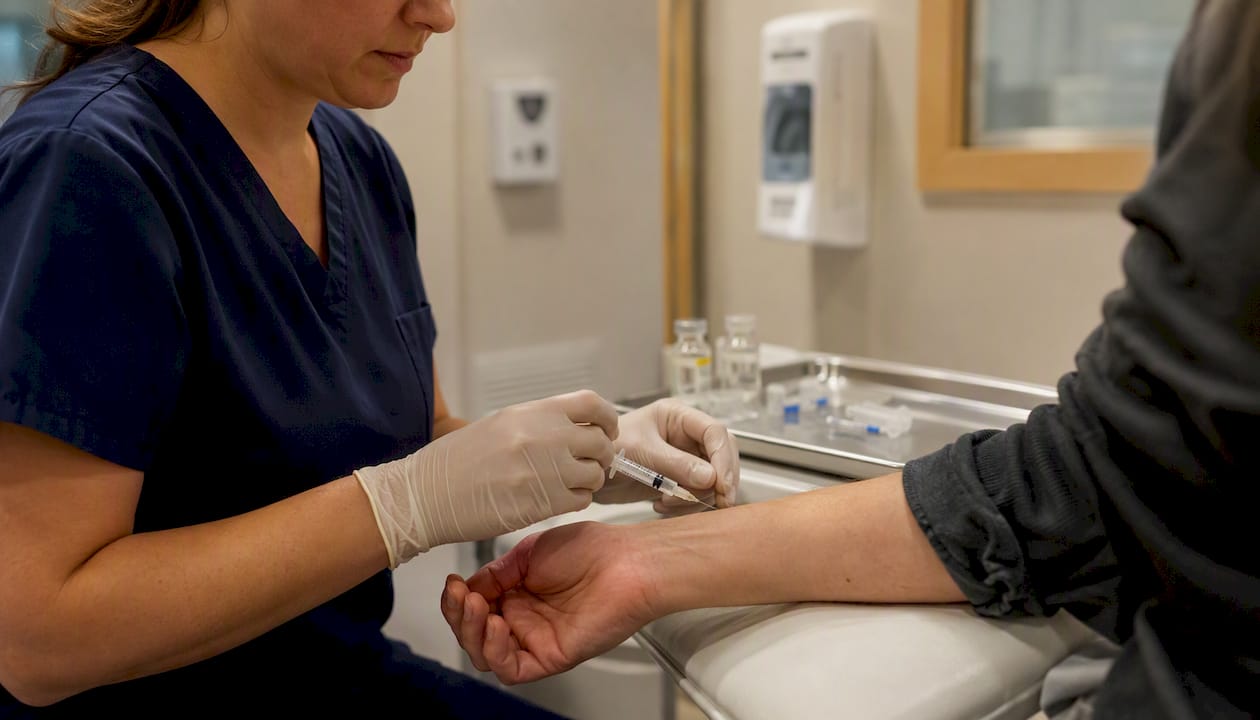
A diagnostic radioactive iodine thyroid scan carries low risk when a few well-defined precautions are followed. This guide covers only diagnostic tracer imaging (I-123 or Tc-99m) used for thyroid scintigraphy and uptake testing. It does not cover therapeutic I-131 treatment for hyperthyroidism or thyroid cancer, which uses much larger doses and comes with its own separate set of isolation rules. Mixing the two up is one of the most common sources of patient anxiety we see, and it is worth clearing up right away.
The tracer dose used in a diagnostic scan is small and short lived. Patient leaflets and practice guidelines consistently describe this dose as low risk relative to its diagnostic benefit, which is why most patients need no special precautions beyond the basics below.
The three checks that matter most before you book or arrive:
- Pregnancy or possible pregnancy must be ruled out before scheduling, no exceptions.
- Breastfeeding status needs to be disclosed, since some interruption is usually required.
- Recent iodinated contrast (from a CT scan or angiogram) can throw off uptake results for weeks.
Pro Tip: If you’re not sure whether a medicine or supplement counts as “iodine related,” bring the bottle to your appointment. Technologists would rather check the label than guess.
Key takeaways
Diagnostic radioactive iodine scans carry low risk because they use small, short-lived tracer doses, and the precautions that matter most are disclosure, timing, and simple post-scan hygiene.
| Point | Details |
|---|---|
| Disclose pregnancy and breastfeeding | Both are absolute contraindications and must be reported before scheduling. |
| Flag recent contrast and medications | Iodinated contrast and drugs like amiodarone can suppress uptake for weeks or months. |
| Prepare practically | Skip metal jewellery and clothing accessories, and bring your health card and medication list. |
| Follow brief post-scan steps | Drink fluids, wash hands, and limit close contact with young children for the rest of the day. |
| Cdncare reports quickly | Nuclear medicine results typically reach your referring physician within 24 to 48 hours. |
Table of Contents
- What patients must tell the clinic before the appointment
- Which medications and supplements interfere with the scan?
- What happens at the clinic on scan day
- How to stay safe in the hours after your scan
- Why pregnancy and breastfeeding rules are non‑negotiable
- A checklist for imaging staff and technologists
- When a scan needs to be postponed
- What to expect from your results
- Why these precautions actually matter in practice
- How Canadian Diagnostic Network supports your thyroid imaging
- Sources
- FAQ
What patients must tell the clinic before the appointment
Most delays we see at scheduling come down to information that surfaces too late. Telling the clinic everything up front, even things that feel unrelated, saves you a wasted trip.
Before booking, or at the latest during your pre-scan phone screening, disclose:
- Whether you are pregnant, trying to conceive, or unsure
- Whether you are currently breastfeeding
- Any CT scan, angiogram, or other procedure using iodinated contrast in the past several weeks
- All current medications, including thyroid hormone replacement and antithyroid drugs
- Amiodarone use, past or present
- Supplements containing kelp or seaweed, and any iodine-based multivitamins
- Known allergies, particularly to iodine or contrast agents
If your physician has ordered a low-iodine diet ahead of the scan, that usually means starting about a week beforehand, cutting iodized salt, dairy, seafood, and processed foods that use iodine-based preservatives. Preparation for the related radioactive iodine uptake test follows the same logic. Not every scan requires this diet. Follow it only if your clinic specifically asks for it.
Pro Tip: Write down the exact date of your last contrast CT scan before you call to book. That single detail often determines whether your scan can happen this month or needs to wait.
Which medications and supplements interfere with the scan?
Certain drugs and iodine sources change how much tracer your thyroid actually absorbs, which can produce a falsely low reading even when your thyroid is working normally. Clinicians rely on standard withholding windows to avoid that trap.
| Substance | Typical withholding time |
|---|---|
| Levothyroxine | About 4 to 6 weeks |
| Antithyroid drugs (methimazole, PTU) | Several days to weeks, per physician |
| Amiodarone | 3 to 6 months |
| Iodinated CT contrast | 4 to 6 weeks or longer |
| Kelp, seaweed, iodine supplements | 2 to 4 weeks |
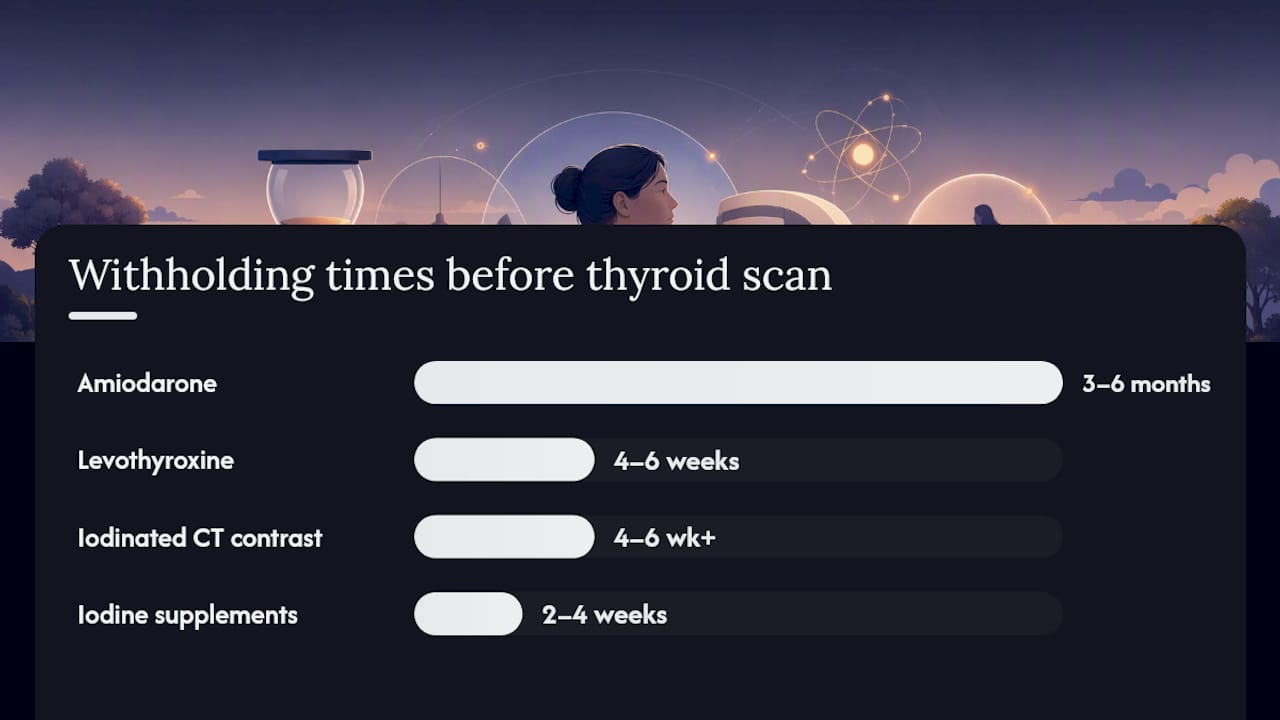
These figures come from ACR and EANM–SNMMI procedural standards for thyroid scintigraphy, and your physician may adjust them based on your clinical situation. Amiodarone’s iodine load is high enough that its effect on uptake can linger for months after the last dose, which is why it gets the longest withholding window on the list.
Beyond prescription drugs, watch for iodine hiding in plain sight: cough syrups, topical antiseptics like povidone iodine, and certain multivitamins. None of these are dangerous on their own, but they can quietly skew your results if taken too close to the scan.
Iodinated contrast deserves special attention. A single contrast CT can suppress thyroid iodine uptake for a month or more, which is one of the most frequent reasons scans get postponed. If you’ve had recent imaging elsewhere, mention it even if nobody asked.
What happens at the clinic on scan day
Here’s the typical flow, though details vary slightly by clinic and by which tracer your physician has ordered.
- Check-in and screening. Staff confirm your identity, verify your health card, and repeat the pregnancy and medication questions from your phone screening.
- Tracer administration. I-123 is usually given as a small oral capsule or liquid; Tc-99m is injected intravenously. Neither should cause discomfort beyond a brief needle stick for the injection.
- Imaging. Scans are often taken at two intervals, for example around 4 to 6 hours after the dose and again near 24 hours, depending on the radiopharmaceutical used and your clinic’s specific protocol. This may mean two separate visits rather than one long appointment.
- Swallowing water just before the camera runs. Technologists commonly ask for this to clear saliva from your throat, since it can otherwise mimic thyroid activity on the image and blur the result.
What to bring and what to leave behind:
- Bring your health card and a list of current medications.
- Wear clothing without metal snaps, zippers, or underwire near your neck and chest.
- Remove necklaces, earrings that dangle near the collar, and any metal hair accessories.
- Leave children and pregnant companions at home if you can arrange it; a short wait alone in the clinic minimizes anyone’s incidental exposure.
- If you’re travelling by air soon after the scan, ask staff about a travel documentation letter, since trace radioactivity can occasionally trigger airport radiation detectors.
How to stay safe in the hours after your scan
Diagnostic tracer doses clear from your body mostly through urine and stool, with a smaller amount through decay over time. The practical safety steps that follow are simple, and most people find they barely change their day.
- Drink extra fluids for the rest of the day to help flush the tracer through your system faster.
- Flush the toilet twice after use, and wash your hands well.
- Avoid prolonged, close skin-to-skin contact with young children or pregnant people for the remainder of the day.
- Wash any clothing that had direct, extended contact with your skin as you normally would; no special laundry handling is needed for diagnostic doses.
| Tracer | Typical patient contact precaution |
|---|---|
| Tc-99m | Brief, usually resolved within hours |
| I-123 (diagnostic) | Rest of the day, per most patient leaflets |
Patient leaflets from major cancer centres frame these steps as sensible caution rather than strict rules, which reflects how mild the actual exposure is at diagnostic doses. Most patients resume normal activities, work, and social contact the same day or the next morning without any lingering restrictions.
Why pregnancy and breastfeeding rules are non‑negotiable
Pregnancy and active breastfeeding are absolute contraindications for diagnostic radioactive iodine imaging. There is no dose low enough, and no clinical urgency high enough, to override that rule. If either applies to you, the scan does not happen until the situation changes or an alternative test is chosen.
This isn’t clinic caution for caution’s sake. Radiology patient guidance is unambiguous that both conditions must be screened before scheduling and confirmed again at arrival, because a fetus or nursing infant is far more sensitive to even a small tracer dose than an adult.
For breastfeeding patients, guidance varies by isotope. Diagnostic I-123 typically calls for a short interruption, often a day or so, while isotopes used for other clinical purposes such as I-131 require a much longer pause, sometimes weeks. Your clinic will give you an exact timeline based on which tracer is ordered.
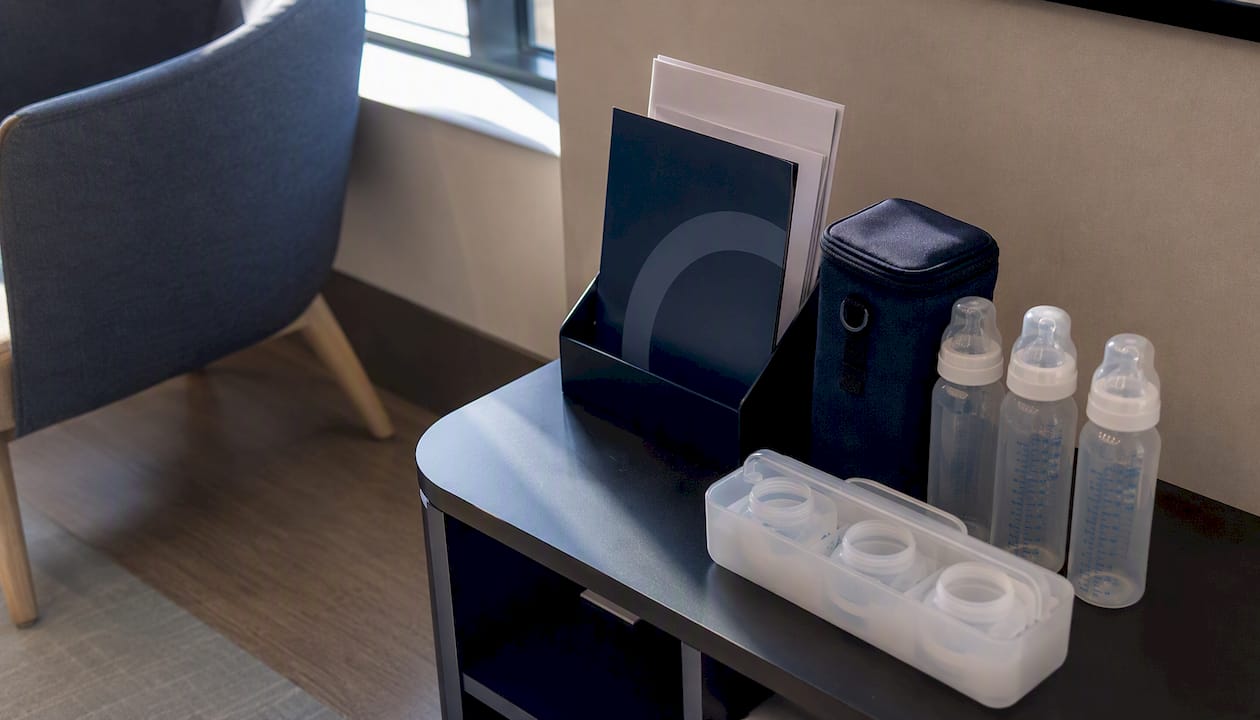
If interruption is required, expressing and storing milk beforehand gives your baby a supply to use during the pause. Ask your clinic’s technologist for written instructions specific to your tracer before you leave the appointment, not after.
A checklist for imaging staff and technologists
Getting the screening right at the front desk prevents almost every downstream problem, from a wasted appointment slot to an inaccurate result.
- Confirm pregnancy status, breastfeeding status, recent contrast exposure, and interfering medications at both scheduling and check-in, and document each answer in the chart.
- Apply ALARA principles: tailor administered activity to the patient, use time and distance to limit staff exposure, and post clear signage restricting visitors near the imaging suite.
- Keep close proximity to the patient brief once the tracer is administered, and let the patient wait in a designated area rather than a general lobby when possible.
- Escalate any unexpected positive pregnancy disclosure or contamination event to the radiation safety officer immediately, and isolate the affected area until it’s cleared.
Pro Tip: A short written checklist at the scheduling stage, rather than relying on memory during a busy call, meaningfully cuts same-day screening failures and last-minute reschedules.
When a scan needs to be postponed
Rescheduling happens more often than patients expect, and it almost always protects the accuracy of the result rather than reflecting a problem with you.
Common reasons a scan gets pushed back:
- Iodinated contrast from a CT scan or angiogram within the past several weeks
- Confirmed or suspected pregnancy
- Active breastfeeding without a documented interruption plan
- Inability to stop levothyroxine, antithyroid medication, or amiodarone on the recommended schedule
- Recent therapeutic radioactive iodine treatment for a separate condition
If any of these apply, call the clinic before your appointment date. Have ready: the date of your last contrast scan, your current medication list, and your breastfeeding status if relevant. A five-minute call can save you a trip and an inconclusive result.
What to expect from your results
Most diagnostic imaging clinics report findings back to your referring physician within 24 to 48 hours, which is the turnaround window Cdncare’s team targets for nuclear medicine studies. Results usually arrive through your physician or a patient portal within a short time after the scan rather than directly from the imaging technologist on the day.
Your report will note which radiopharmaceutical was used, the administered activity, and any technical limitations, such as reduced uptake that might reflect recent iodine exposure rather than a genuine thyroid problem. If your physician flags low uptake alongside a recent contrast scan or amiodarone use, they may recommend repeating the test after an appropriate washout period rather than treating the result as final.
Watch for any unusual swelling, rash, or discomfort at an injection site over the following days, and contact your clinic if anything seems off. These reactions are uncommon with diagnostic tracer doses, but they’re worth a quick call rather than a guess.
Why these precautions actually matter in practice
The checklist that governs diagnostic radioiodine scans exists because iodine load and certain medications genuinely change what the camera sees, not because clinics are being overly cautious. A patient who had a contrast CT six weeks ago and skips mentioning it can end up with a scan that reads as low uptake, when the real explanation is simply a saturated thyroid gland that hasn’t cleared the iodine yet.
We see this pattern often: someone comes in for a routine thyroid workup, doesn’t think to mention an ER visit with contrast imaging from a month earlier, and the result comes back ambiguous. That means either a delayed diagnosis or, more commonly, a second scan scheduled weeks later once the iodine has cleared. Amiodarone tells a similar story, since its iodine content lingers in tissue for months after the last dose, long enough that patients sometimes forget it’s relevant at all.
None of this makes the precautions burdensome. It just means the small effort of disclosing contrast history, medication use, and pregnancy or breastfeeding status up front is what keeps a single scan from turning into two.
How Canadian Diagnostic Network supports your thyroid imaging
Cdncare’s nuclear medicine team works from the same practice standards referenced throughout this guide, with results typically reported back to your referring physician within 24 to 48 hours. Our technologists walk you through screening questions, medication timing, and day-of logistics before your appointment, so surprises at check-in are rare.
If you need imaging sooner than a scheduled slot allows, or you’re not sure whether a recent contrast scan affects your eligibility, our urgent care imaging locations can help sort out timing questions without a long wait. Patients in the Ottawa area can also reach our Broadview Imaging clinic directly to confirm preparation instructions specific to your ordered scan. If a reschedule turns out to be necessary, call ahead with your contrast date and medication list in hand, and our team will help find the next available slot that fits your situation.
Sources
- Radiologyinfo
- About your thyroid scan — Memorial Sloan Kettering Cancer Center patient leaflet (PDF)
- Radioactive iodine uptake test — HealthLink BC patient information
This article is general information, not a substitute for advice from a qualified doctor. Consult a qualified healthcare professional about your own circumstances before acting on anything here.
FAQ
Is a diagnostic radioactive iodine scan safe during pregnancy?
No. Pregnancy is an absolute contraindication for diagnostic radioactive iodine imaging, and clinics must screen for it before scheduling.
How long do I need to avoid contact with children after the scan?
For diagnostic I-123 or Tc-99m, most leaflets recommend limiting prolonged close contact with young children for the rest of the scan day.
Can I breastfeed after a diagnostic thyroid scan?
Usually you’ll need a short interruption, often around a day for I-123, though your clinic will give you an exact timeline based on the tracer used.
How soon can I get a CT scan after a thyroid uptake test?
There’s no fixed waiting period after a diagnostic uptake test itself, but if you need a future thyroid scan, a recent iodinated contrast CT can affect uptake results for 4 to 6 weeks or longer.
How long does it take to get results from a diagnostic thyroid scan?
Cdncare and most imaging clinics typically report results to your referring physician within 24 to 48 hours.
Recommended
Your examination or doctor’s visit is 4 easy steps away